Mission & Vision
Mission: In order to prepare its graduates for employment upon career entry as skilled
Anaesthesia & Operation Theatre Technologists in healthcare facilities,
the Anaesthesia & Operation Theatre Technology Programme of
Swami Vivekananda University is committed to providing quality scholastic
and clinical instruction encompassing the cognitive, psychomotor, and affective domains of learning.
Our Bachelor in Anaesthesia & Operation Theatre Technology is meticulously
designed to provide comprehensive education and a holistic understanding of the intricate workings
of operation theatres. From technical expertise to hands-on experience, our program ensures that
graduates are well-prepared to excel in their roles as operation theatre technologists who ensure
patient safety, comfort, and efficient surgical care.
Vision: The Anaesthesia & Operation Theatre Technology Programme of
Swami Vivekananda University will meet the educational needs of students
by offering the skills necessary to perform surgical procedures and gain hands-on experience
and knowledge to assist in surgeries, contributing to the smooth functioning of various
departments and developing experts in anaesthesia and operation theatre technology who
deliver high-quality patient care, drive innovation, and lead in healthcare settings.
The programme will provide graduates with the educational foundation required to succeed
in a Bachelor's degree programme in Anaesthesia & Operation Theatre Technology
and to hold positions in academic and clinical sectors within healthcare facilities.
Objectives:
The Anaesthesia & Operation Theatre Technology at Swami Vivekananda University strives to produce graduates with:
Abilities, qualities and competencies that ensure success in the field of Anaesthesia & surgery as a medical operation theatre technologist.
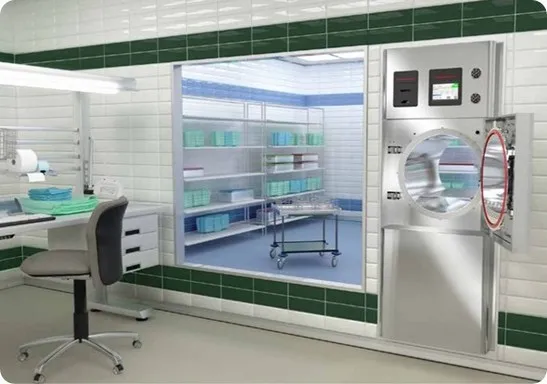
Equip graduates with skills in anaesthesia care, operation theatre management, and advanced technologies like robotics surgery and modular OT & Impart knowledge on sterilization, disinfection, and CSSD practices for safe patient care.
Foster high principles, civic responsibility, and commitment to patient safety and well-being.
Salient Features
Some common features you can expect to find in AOTT course at Swami Vivekananda University include:
Duration: Bachelor's degrees in Anaesthesia & Operation Theatre Technology usually have a duration of four years.
Curriculum: The curriculum typically covers Human Anatomy, Human Physiology, Microbiology, Anaesthesia techniques, OT management, Sterilization, CSSD, Robotic surgery, clinical training, patient safety, project work, and internship.
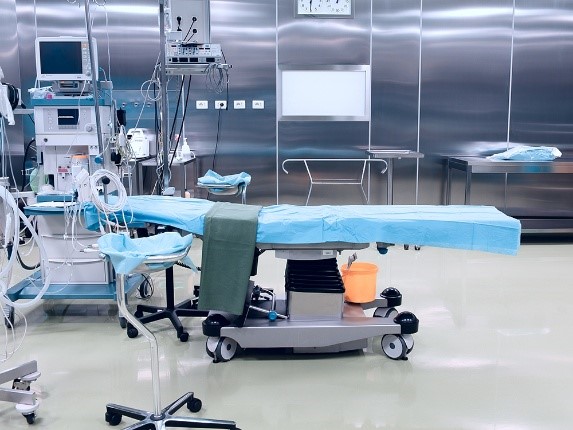
Hands-on Training: Practical experience and hands-on training are essential. Students often work in operation theatres, CSSD, and surgical ICUs, gaining experience in surgery assistance, handling instruments, anaesthesia procedures, sterilization, and disinfection.
Robotic Surgery: Students learn surgical techniques, procedures, and protocols used before and after surgery, including operating advanced surgical equipment and robotic systems.
Safety and Ethics: Emphasis is placed on OT protocols and ethical considerations in patient handling.
Clinical Rotations: Programs may include internships or clinical rotations in hospitals, offering real-world healthcare exposure.
Research Skills: Students are introduced to research methodologies and often complete a research project or thesis.
Quality Control and Assurance: Focus on implementing quality control measures for effective sterilization and disinfection practices.
Medical Terminology: A strong foundation in medical terminology ensures effective communication in healthcare settings.
Healthcare Regulations: The BAOTT program follows established medical regulations, infection control protocols, and patient safety guidelines for ethical and competent practice.
Interdisciplinary Learning: Encourages collaboration with nursing, pharmacy, and medical fields to simulate real-world healthcare teamwork.
Certification and Licensing: Graduates may need to pass certification exams or obtain licenses depending on the region.
Career Opportunities: Graduates can work as Clinical OT & ICU Technologist, OT Faculty, CSSD Technician, Equipment Specialist, Technical Officer, Anaesthesia Assistant, ICU Technologist, OT Manager, Biomedical Equipment Technologist, Clinical Research Coordinator, Infection Control Officer, and more across hospitals, healthcare industries, and international settings.
Continuing Education: Encourages higher studies, postgraduate degrees, and specialized certifications for career advancement.
Core Values
The core values of the Bachelor of Anaesthesia and Operation Theatre Technology (BAOTT) focus on patient safety, ethical practice, and professional competence. The program emphasizes precision, responsibility, and vigilance in assisting anaesthesia and surgical procedures. Compassion and respect for patient’s life ensuring dignity and comfort before, during, and after surgery. Teamwork and effective communication are valued, as operation theatre professionals work closely with anaesthesiologists, surgeons, and nurses. The course promotes adherence to strict aseptic techniques and infection control to maintain a safe surgical environment. Continuous learning and skill upgradation are encouraged to keep pace with advancing medical technologies. Overall, BAOTT instils discipline, integrity, and commitment to quality healthcare delivery.
Why This Department
It plays a critical role in saving lives by supporting anaesthesia and surgical procedures.
It plays a critical role in saving lives by supporting anaesthesia and surgical procedures.
Ensures patient safety through continuous monitoring and skilled assistance during operations.
Offers strong career opportunities with high demand in hospitals and surgical centres.
Provides hands-on clinical exposure and practical skill development.
Involves teamwork with surgeons, anaesthesiologists, and nursing staff in a dynamic environment.
Contributes directly to pain management and patient comfort.
Maintains sterile conditions, reducing infection and postoperative complications.
Allows participation in emergency and trauma care services.
Keeps professionals updated with advanced medical equipment and technologies.
Gives job satisfaction by being an essential part of successful surgical outcomes.