B.Sc. Anaesthesia and Operation Theatre Technology

B.Sc. Anaesthesia and Operation Theatre Technology

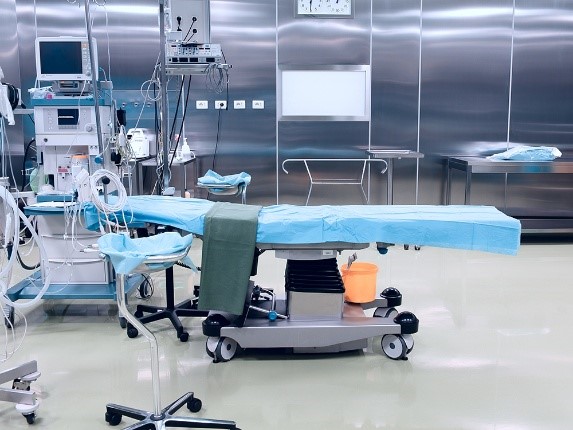
The Bachelor of Science in Anaesthesia and Operation Theatre Technology (A&OTT) at Swami Vivekananda University is a comprehensive undergraduate allied health science program designed to train skilled professionals for critical roles in surgical and emergency care. Structured as per the UGC CBCS (Choice Based Credit System) template, the course spans four years, including three years of academic study followed by one year of mandatory clinical internship, and is open to students who have completed 10+2 with Physics, Chemistry, and Biology. The program combines strong theoretical knowledge with intensive clinical training in areas such as anaesthesia techniques, pharmacology of anaesthetic drugs, operation theatre management, sterilization and infection control, patient monitoring, airway management, and emergency care. Students gain hands-on experience in real clinical environments, working with advanced equipment like anaesthesia workstations, ventilators, and monitoring systems while assisting anaesthesiologists and surgeons in maintaining sterile conditions and ensuring patient safety before, during, and after surgical procedures. Graduates of this program are well-prepared to work as anaesthesia technologists, operation theatre (OT) technologists, ICU technicians, and emergency care professionals in hospitals, medical colleges, and trauma centers, making it a highly career-oriented course with growing demand, significant professional responsibility, and strong long-term job stability in the healthcare sector.

Programme Overview

B.Sc. Anaesthesia and Operation Theatre Technology graduates can pursue diverse career paths, including positions in hospitals, diagnostic labs, research institutions, pharmaceutical companies, public health organizations, and academia, after the completion of this course.

Duration: 4 Years (3 years academic + 1-year mandatory clinical internship)

Total Credits: 150 Credits

Total Marks: 3900 Marks

Format: CBCS (Choice Based Credit System) with electives, skill-based courses, and NEP 2020 aligned learning

Key Practical Skills

Medical Gas Supply: Understanding colour coding, cylinder valves, and pin index systems

Semester-Wise Syllabus Overview

According to the SWAMI VIVEKANANDA UNIVERSITY of Allied Health Sciences structure, the curriculum is divided into foundation sciences and core specialty subjects.

Year 1: Foundation Studies
  • Semester 1 - Core Subjects: Human Anatomy, Human Physiology, Introduction to Healthcare Delivery System in India
  • Semester 1 - Practical: Human Anatomy and Physiology Practical
  • Semester 1 - Electives & Others: Basic Haematology, Basic Haematology Practical, Environmental Science
  • Semester 2 - Core Subjects: Clinical Microbiology, Biochemistry, Pathology, Clinical Pharmacology, Medical Law and Ethics
  • Semester 2 - Language: English Communication, English Communication Lab
  • Semester 2 - Electives: Developmental Biology & Community Health, Developmental Biology & Community Health Practical
Year 2: Applied Clinical & Hospital Exposure
  • Semester 3 - Core Subjects: Medical Terminology and Record Keeping, Medicine, Principles of Anaesthesia
  • Semester 3 - Electives: Basics of Work & Exercise, Basics of Work & Exercise Practical
  • Semester 4 - Core Subjects: Principles of Management, Introduction to Quality and Patient Safety, Basic Techniques of Anaesthesia
  • Semester 4 - Clinical Posting: Observation of Hospital and OT Departments
  • Semester 4 - Skill Training: Clinical Observership
  • Semester 4 - Electives: Basic Haematological Techniques, Basic Haematological Techniques Practical
Year 3: Advanced Specialty Training
  • Semester 5 - Core Subjects: Basics of Surgical Procedures, CSSD Procedures, Basic Intensive Care
  • Semester 5 - Specialization: Advance Anaesthetic Techniques
  • Semester 6 - Specialization: Specialized Surgery and Anaesthesia, Electronics and Technology in Surgery and Anaesthesia
  • Semester 6 - Administration: Basic Administration and Equipment Maintenance
  • Semester 6 - Research: Research Methodology and Bio-statistics, Project and Dissertation
Year 4: Clinical Internship
  • Mandatory Clinical Internship: 12 months of hands-on rotation in specialized surgical units and intensive care

Online Application Form

Course Eligibility

Educational Qualification: Passed 10+2 (Intermediate) or equivalent from a recognised board (CBSE, ICSE, NIOS, etc.)

Core Subjects: Physics, Chemistry, Biology (PCB) and English are mandatory (PCM may be accepted in some cases)

Minimum Marks (General/OC): 45% – 50% aggregate in PCB

Reserved Categories (SC/ST/BC): 40% – 45% aggregate (5% relaxation)

Minimum Age: 17 years (on or before 31st December of admission year)

Medical Fitness: Valid fitness certificate from a Government Medical Officer required

Admission Process: Based on merit or entrance exam (as per 2025 pattern)

Selection: Web-based counselling based on rank and course preference

Lateral Entry: Candidates with a 2-year Diploma in A&OTT from a recognised institution can enter directly into 3rd semester (2nd year)


Earn While You Learn
Global Internship & Placement
Expert Faculties

Career Opportunities

FREQUENTLY ASKED QUESTION

BAOTT is highly technical and focused on the surgical environment (equipment maintenance, anaesthesia assisting, and OT sterility), whereas Nursing focuses on holistic patient care and medical management.

A fresher typically earns between ₹15,000 and ₹30,000 per month (₹2–₹3.5 LPA). In top-tier private hospitals, this can start at ₹30,000–₹50,000.

Private hospitals usually offer higher starting salaries and performance incentives, while Government roles offer high job security and standard pay scales.

Our recruiter

panacea
Biozenta
healius
Interglobe
tata
energy
focus
haldia
byjus
© Copyright All Right Reserved , SVU Privacy Policy
phone whatsapp mail