Pathogens in Practice: Laboratory Diagnosis of Infectious Disease
About this book
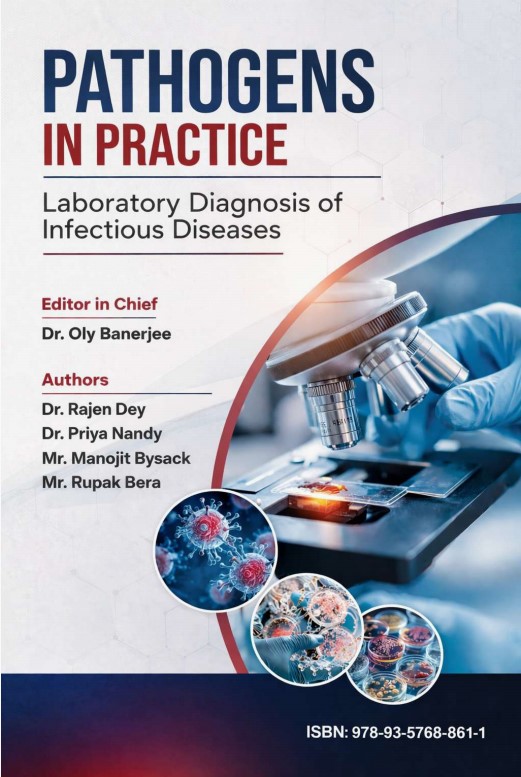
This document provides a comprehensive introduction to infectious diseases and the pathogens responsible for causing them. It explains that infectious diseases are caused by microorganisms such as bacteria, viruses, fungi, and parasites, which invade the human body and disrupt normal functions. The document highlights the importance of studying infectious diseases because they continue to affect global health through outbreaks, epidemics, and pandemics such as COVID-19.
The content discusses the historical development of infectious disease studies, including the contribution of scientists like Louis Pasteur, Robert Koch, and Edward Jenner in establishing germ theory, vaccination, and modern microbiology. Different types of pathogens are described along with their characteristics, examples, and disease-causing abilities. The document also explains the relationship between the host and pathogen, including concepts such as colonization, infection, pathogenicity, virulence, and virulence factors like toxins, capsules, enzymes, and biofilm formation. Various modes of disease transmission, including direct, indirect, airborne, vector-borne, and healthcare-associated transmission, are discussed in detail.
In addition, the document covers epidemiology, pathogenesis, prevention, and control measures such as vaccination, sterilization, hygiene, and public health practices. It also emphasizes the growing concern of emerging and re-emerging infectious diseases and the crucial role of medical laboratories in diagnosis, disease surveillance, quality control, and infection management. Overall, the document serves as a strong foundational guide for understanding infectious diseases and their laboratory diagnosis.